
Some films entertain you and let you leave.
Others follow you home.
African Diasporans Hidden Kulture Part I: Jacksonville, Florida is the second kind. We knew that when we made it. What St. Augustine reminded us, again, is what happens in the room after the credits stop.
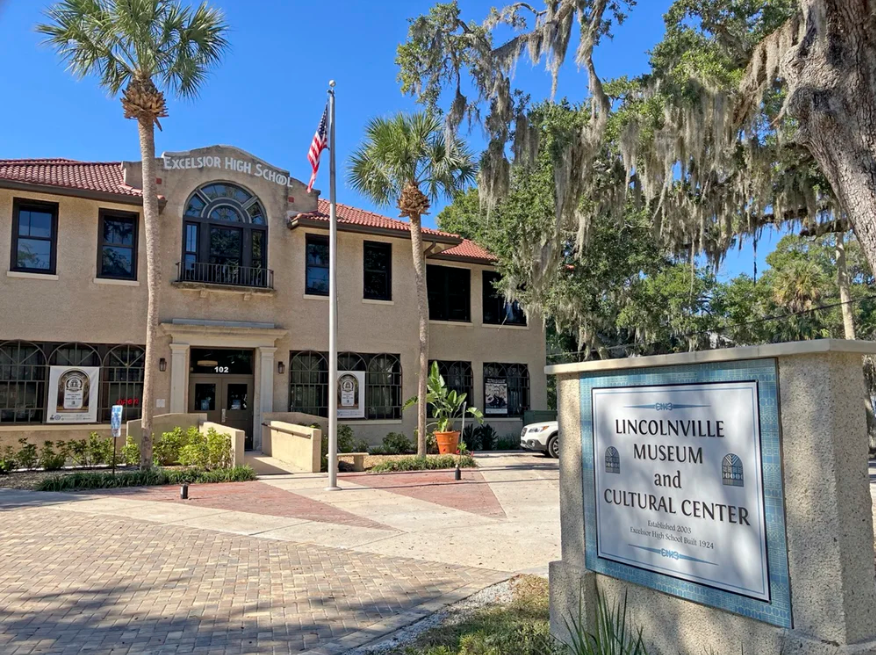
The Lincolnville Museum Said Yes
The Lincolnville Museum and Cultural Center is not an accidental choice of venue. It is one of the oldest African American communities in Florida.
Its streets carry history most visitors to St. Augustine never learn about. The museum exists precisely to make sure that history does not disappear quietly. When they agreed to host this screening, they were not just offering us a room. They were saying: this story belongs here.
That kind of alignment does not happen by accident. It is what our Educational and Screening Program was built for. Not to parachute a film into a neutral space. To bring it into a room that already understands why the history is important.
What the Room Said Back
We set up. We screened. And then something happened that every filmmaker quietly hopes for and rarely talks about.
The room stayed.
People did not rush to gather their things. They stayed in their seats and started talking. Not to us. To each other. About what they had just seen. About what they had not known before they walked in. About what it meant to them that someone had made this film at all.
Here is what they said.
“Nola was such a wonderful storyteller that she was able to weave all these stories together.”
“I just feel so honored that we were able to see this wonderful film. We love the message, we love the history that’s involved in the film.”
“This was very inspiring and it was great to learn about the history of this area for African Americans. I think it should be in every school room.”
That last one we did not expect.
Not because the gratitude was surprising. Because hearing your own name in a room full of strangers who just watched your film and felt something because of it is a different kind of moment. One that does not fit neatly into a project update or a social media post. One you carry home.
“I learned so much about Florida history in general, and it felt so good to see people give it the attention that it needs. I really appreciate the work that Nola and Sage are doing to make this happen.”
What Regina Gayle Phillips Said
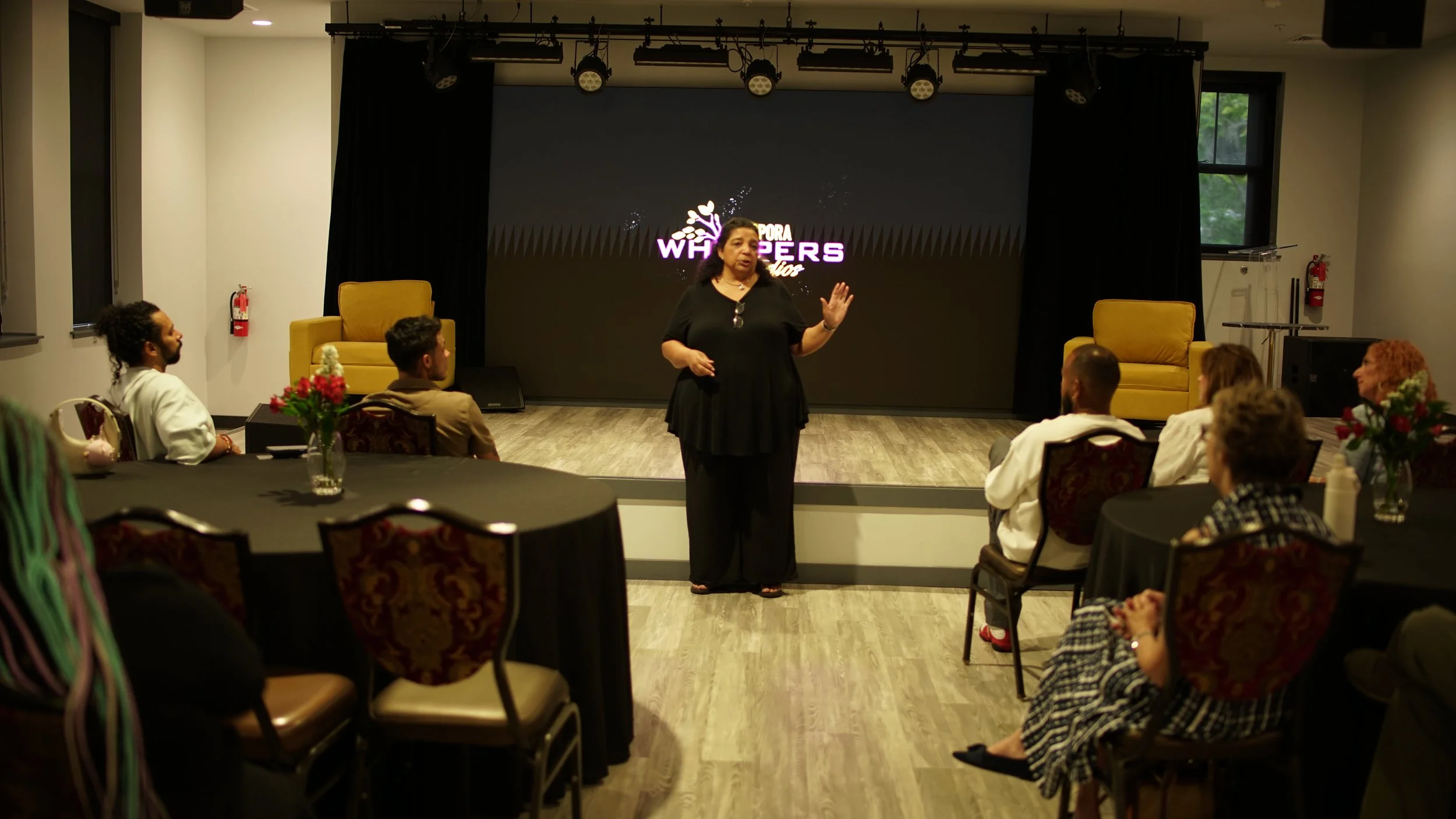
Regina Gayle Phillips, Executive Director of the Lincolnville Museum and Cultural Center, did not speak in generalities.
"Sharing the history of the community is so important because we have to preserve it for the next generation."
That sentence is the entire mandate of the Educational and Screening Program in fifteen words.
We are not screening these films because they are award-winning, though they are. We are not screening them because they look impressive on an institutional calendar, though they do.
We are screening them because the history inside them belongs to the next generation, and the next generation cannot inherit what no one shows them.
The Lincolnville Museum understands that. Regina Gayle Phillips understands that. The people who stayed in their seats after the credits understood that.
Nola’s Message
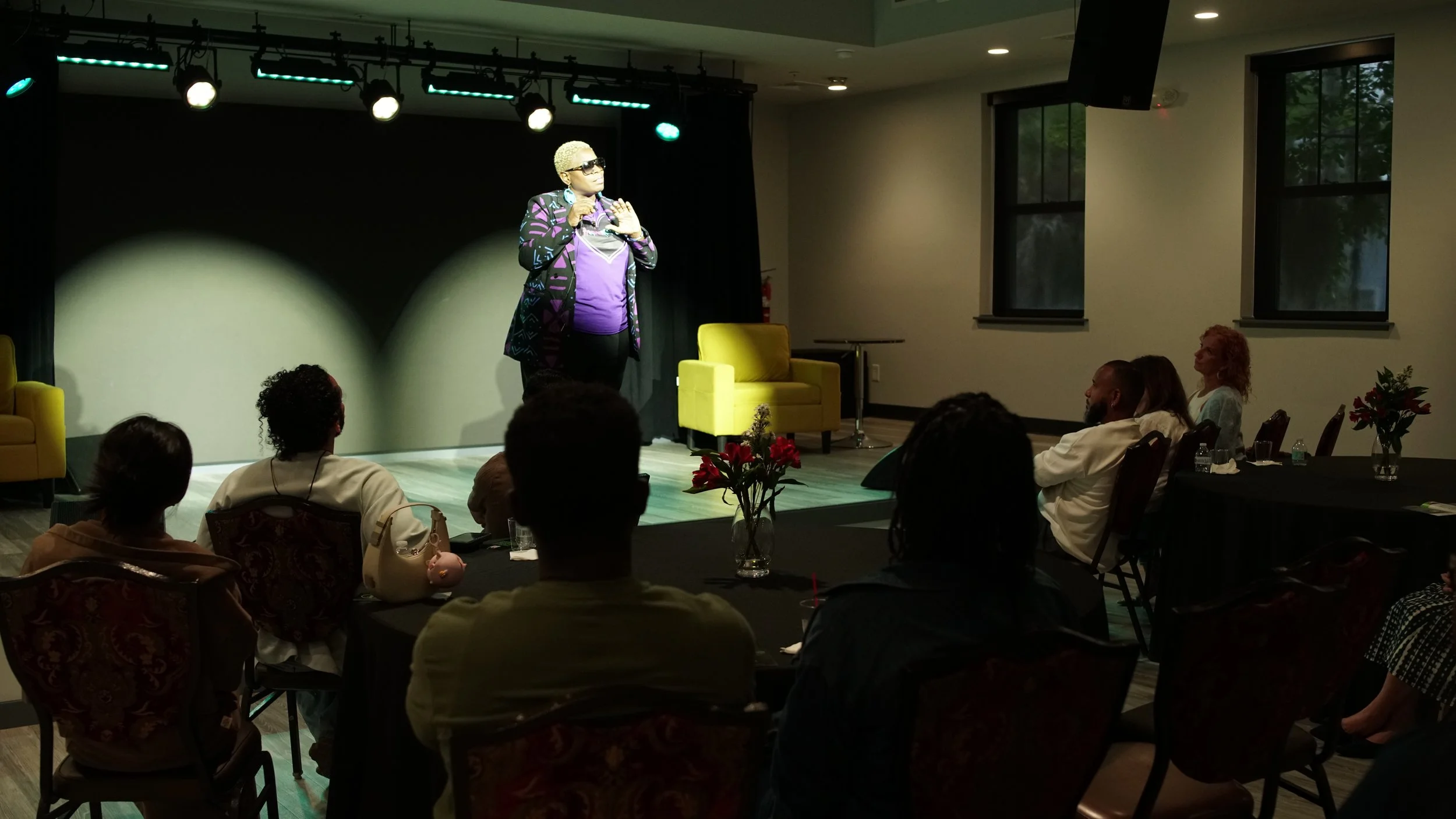
Near the end of the night, Nola said something out loud that she had been carrying for a while.
"Whoever is in this room right now is all I can reach. And what we are going to do with that message is to keep it going and continue to chase change. So my message is: continue to chase change."
She was not being pessimistic. She was being precise.
A filmmaker can control the film. She can control the research, the interviews, the edit, the story she chooses to center. What she cannot control is how far it travels after she releases it.
That part belongs to the room.
This is how change actually moves. Not through broadcast signals or algorithm reach. Room to room. Person to person. Story to story. The message leaves one place and gets carried somewhere new by someone who felt it and decided it was worth passing on.
Every screening is a room Nola cannot reach on her own. Every person who watches the film and tells someone about it extends the reach further than any marketing campaign could.
That is not a poetic idea. That is the operational logic of cultural preservation.
What the Educational Screening Program Is Built to Do
The St. Augustine screening was not a one-time event. It is part of something we are building deliberately.
The Diaspora Whispers Educational Screening Program brings our film library into classrooms, campuses, libraries, and cultural institutions, with live filmmaker discussions built into every screening. Students and community members do not just watch the film. They talk to the people who made it. They ask questions that do not have easy answers. They leave the room having had a conversation that no standard curriculum provides.
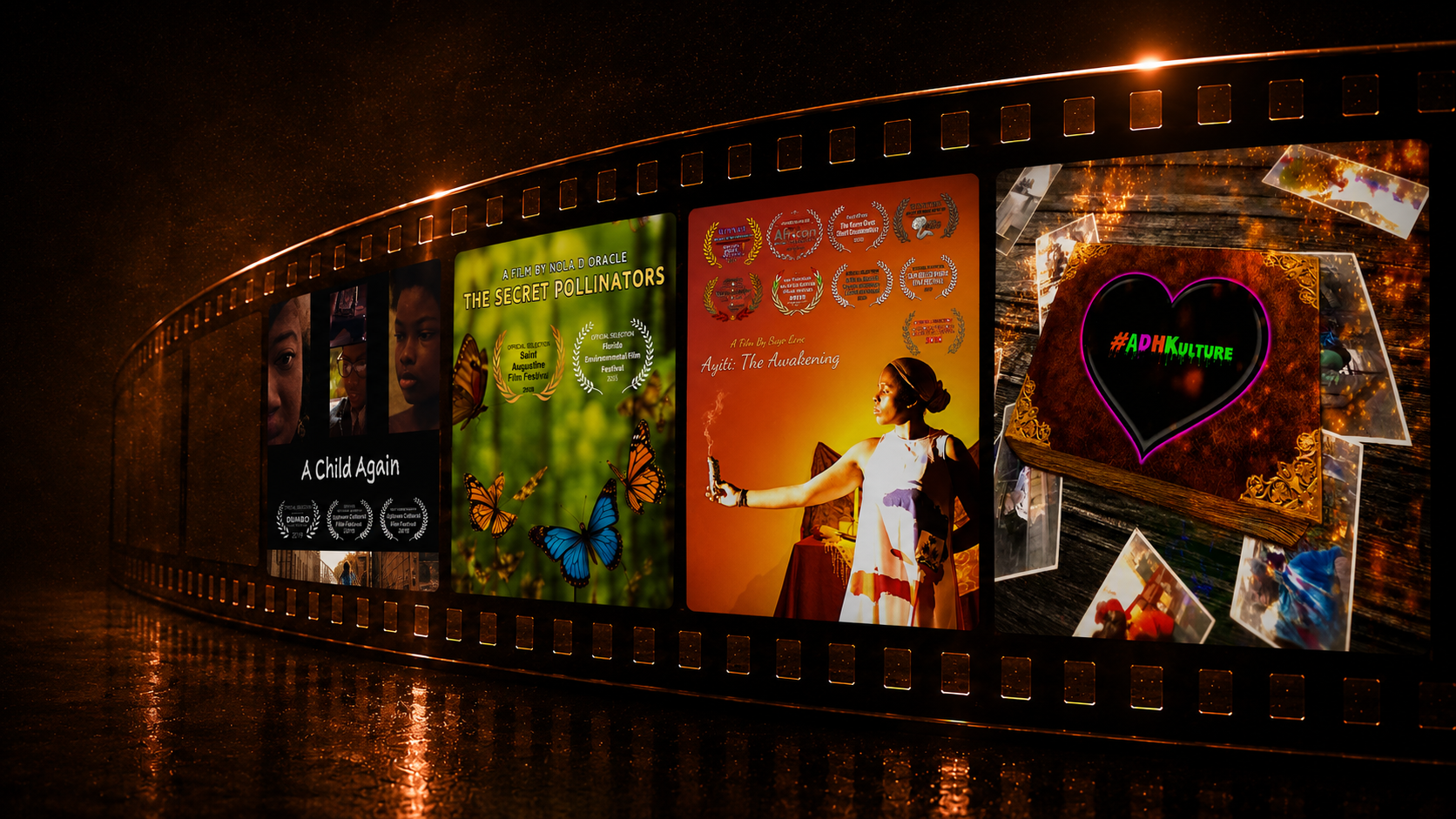
The film library available for educational screenings includes the full African Diasporans Hidden Kulture series, Ayiti: The Awakening, The Secret Pollinators, and A Child Again. Each film maps to a real discipline. History. Sociology. Environmental studies. Mental health. American studies. African American studies.
These are not supplementary materials. They are primary sources.
If you are an educator, librarian, museum director, or community organization leader who wants to bring one of these films to your community, we want to hear from you. Public screenings, educational use, and institutional presentations require a screening license.
Learn more about the Educational and Screening Program or contact us directly at info@dwhispers.org to start the conversation.
If You Are Not Ready to Host a Screening
The film is available to watch right now.
African Diasporans Hidden Kulture Part I: Jacksonville, Florida rents for $7.99 at diasporawhispers.com/filmlibrary.
Watch it. Then tell someone what you felt.
That is the entire ask.
Continue to chase change.
One More Thing Before You Go
Three ways to extend what happened in St. Augustine, even if you are nowhere near Florida:
Share this post with one educator, librarian, or community organizer you know personally. Not a mass share. A direct message with a single sentence: "This is worth your time."
Tag a museum, cultural center, or school in your network. The fastest path between this program and the communities who need it is the person who already knows the right contact.
The whispers travel when people carry them.