
One month until "It's Cool to Learn" comes to Roanoke
A child can be told a thing, or a child can be caught by it.
Telling is faster. Catching lasts.
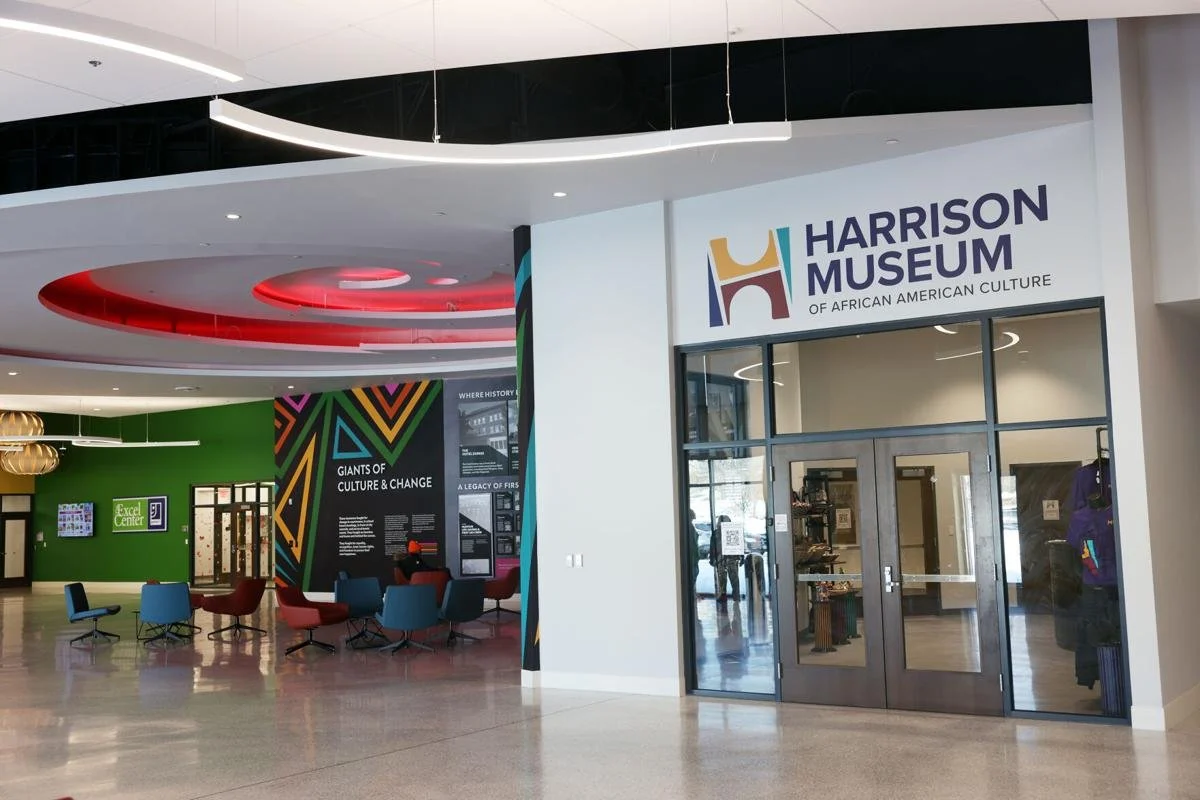
On Saturday, September 12, from 10:00 AM to 2:00 PM, children and families in Roanoke, Virginia will gather at the Harrison Museum of African American Culture.
The whole day is built around catching them. Not with three separate activities on a schedule. With one idea, handed to them three different ways.
That idea is a butterfly.
First, They Watch
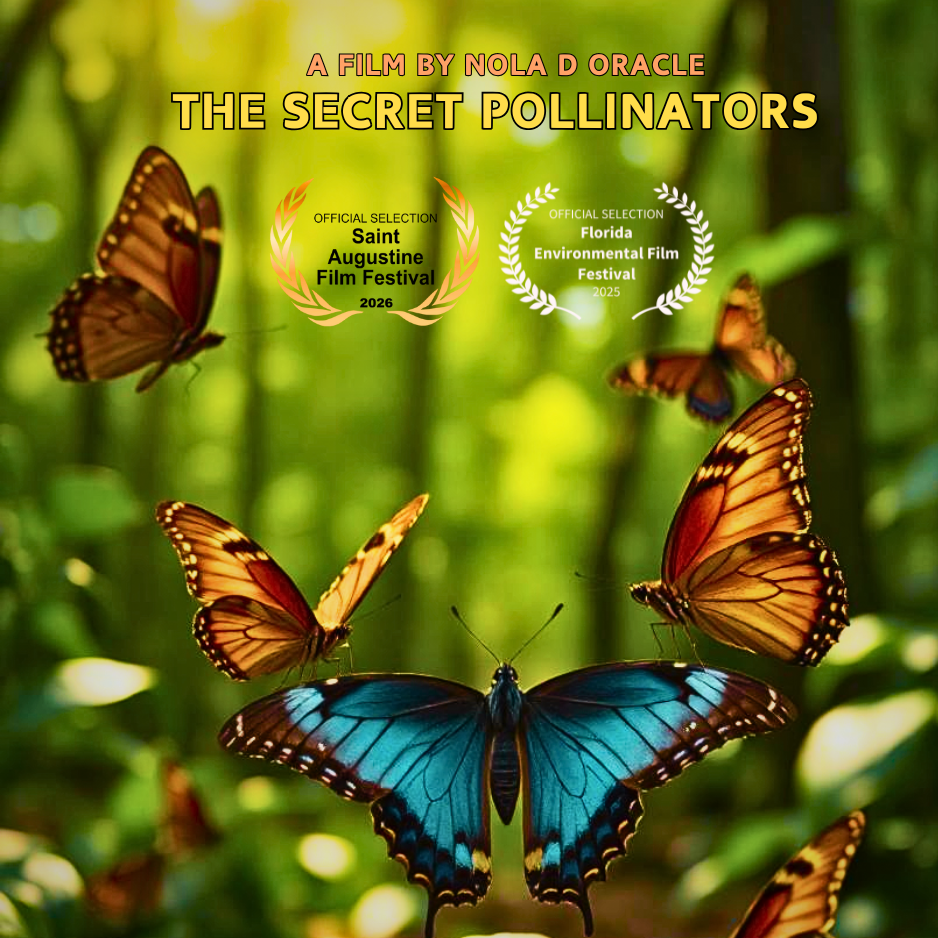
The day will open with a screening of The Secret Pollinators, an eco-documentary that takes viewers into the extraordinary world of butterflies, nature's unsung heroes. It features Jaret C. Daniels, curator at the Florida Museum of Natural History's McGuire Center for Lepidoptera and Biodiversity.
We know what this film does in this particular room, because we have done it before. This past Earth Day, The Secret Pollinators screened at the Harrison Museum and the Q&A ran long. Adults who came in thinking butterflies were pretty walked out asking how to protect them in their own backyards.
Now imagine that same film in front of a seven-year-old.
Then, They Read
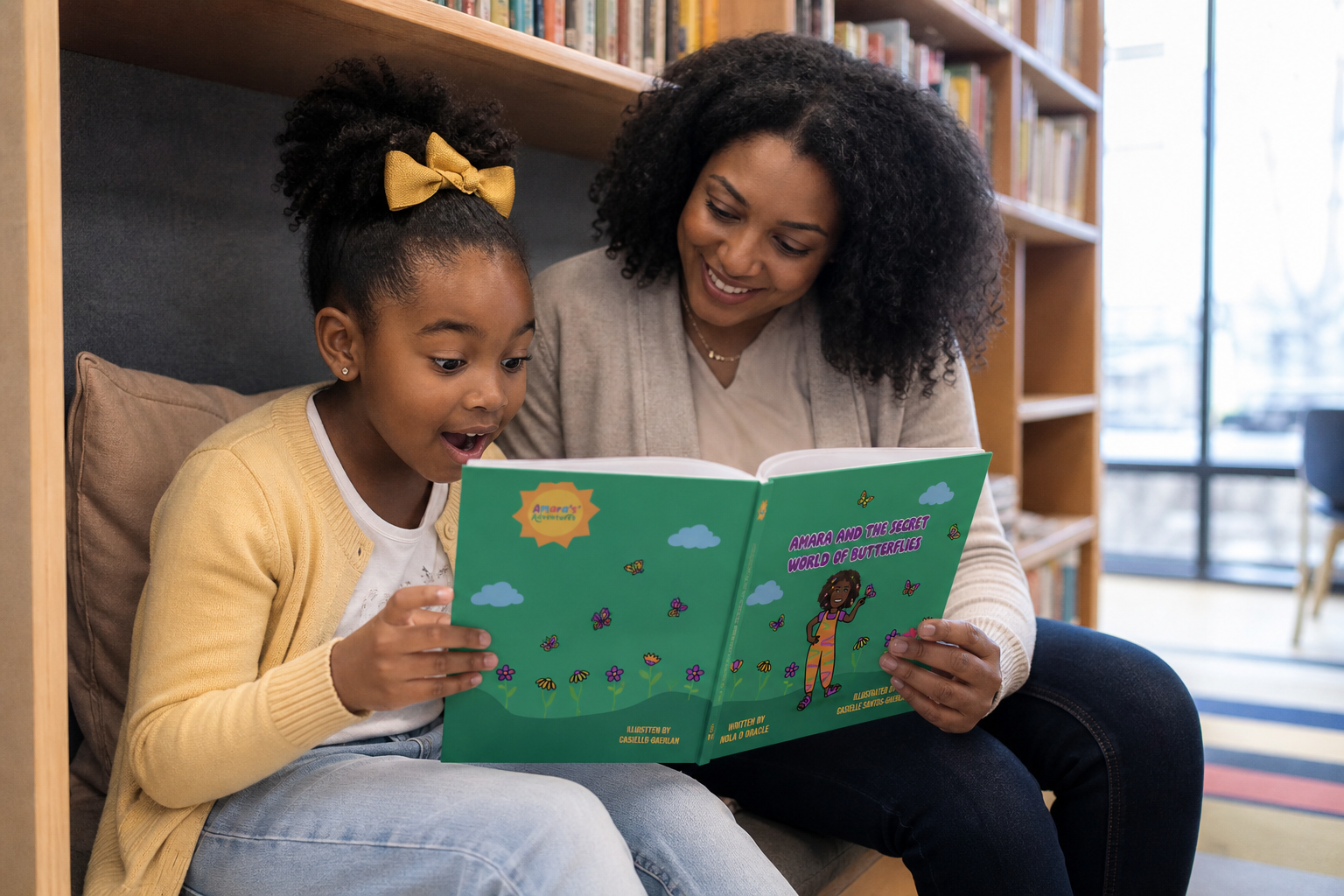
Next will come a reading of Amara and the Secret World of Butterflies, the newest book in the Amara's Adventures series by Nola D. Oracle.
The book treats butterflies as teachers. Patience. Transformation. Believing in yourself while the process is still slow and nothing looks like it is working. For a child growing up in a world that rewards instant results, that lesson arrives at exactly the right angle.
Children who have met Amara before will recognize her. She has walked young readers through Jacksonville's African American museums already. This time she is chasing something with wings.
Here is why the order matters. The film gives a child facts. The book gives that same child a character to feel them through.
Then, They Write
And then the pens will come out.
The Writers Lab is where the day stops being something done for children and becomes something done by them. Nola works the room with questions until a child who came in with nothing to say has half a page.
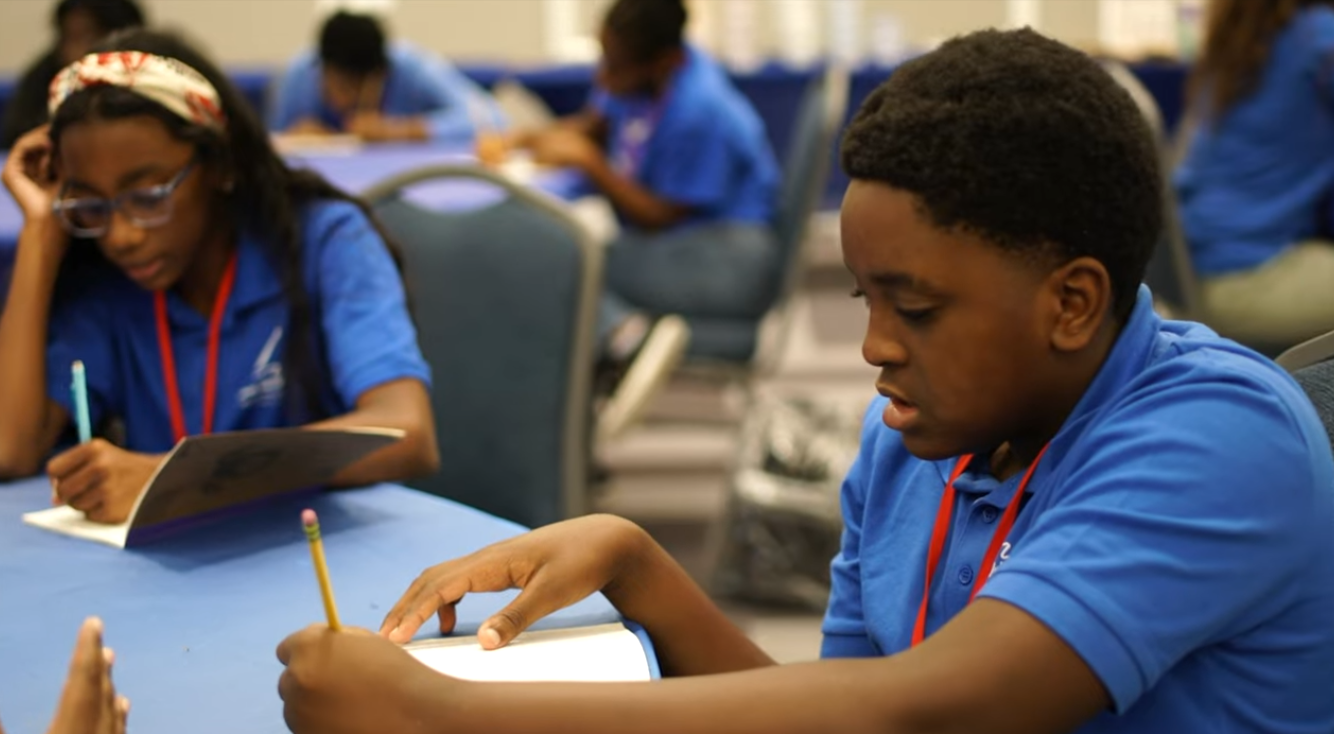
We have watched this work. At the Main Jacksonville Public Library, children wrote down one thing they learned and met Dr. Johnnetta Betsch Cole in the same afternoon. At the James Weldon Johnson Young Writers Festival, Nola told a room of students that every story starts with somebody seeing a problem, then showed them they were sitting inside one.
The pattern is always the same. A child who writes down what a story meant to them has turned somebody else's words into their own thoughts, and nobody can take that back.
Watch it. Read it. Then make something of your own.
And Then They Take It Home
Every child who receives a literacy kit gets one of their own to keep: a copy of Amara and the Secret World of Butterflies, a bookmark, a coloring sheet and crayons, a sticker, and a butterfly life cycle set.
That last item is the one to notice. A child watches a film about butterflies, hears a story about butterflies, writes something of their own, and then carries home the actual life cycle to hold in their hands. The day will not end when the chairs get stacked.
For many of these children, that book is the first one they own.
What It Costs to Put a Child in That Room
Twenty-five dollars. One kit, one child.
Roanoke is the fourth stop. Ocala, Jacksonville, and St. Augustine came first, and each one proved the same thing: when children get stories that reflect curiosity and possibility back at them, they light up.
The goal is 200 kits for children in the community. Donors have already covered a good portion of them, which means the gap is smaller than it was in April and still wide enough to matter. The campaign page shows exactly where things stand.
Two hundred is not an abstract number. It is two hundred children who will each hold a book that belongs to them.
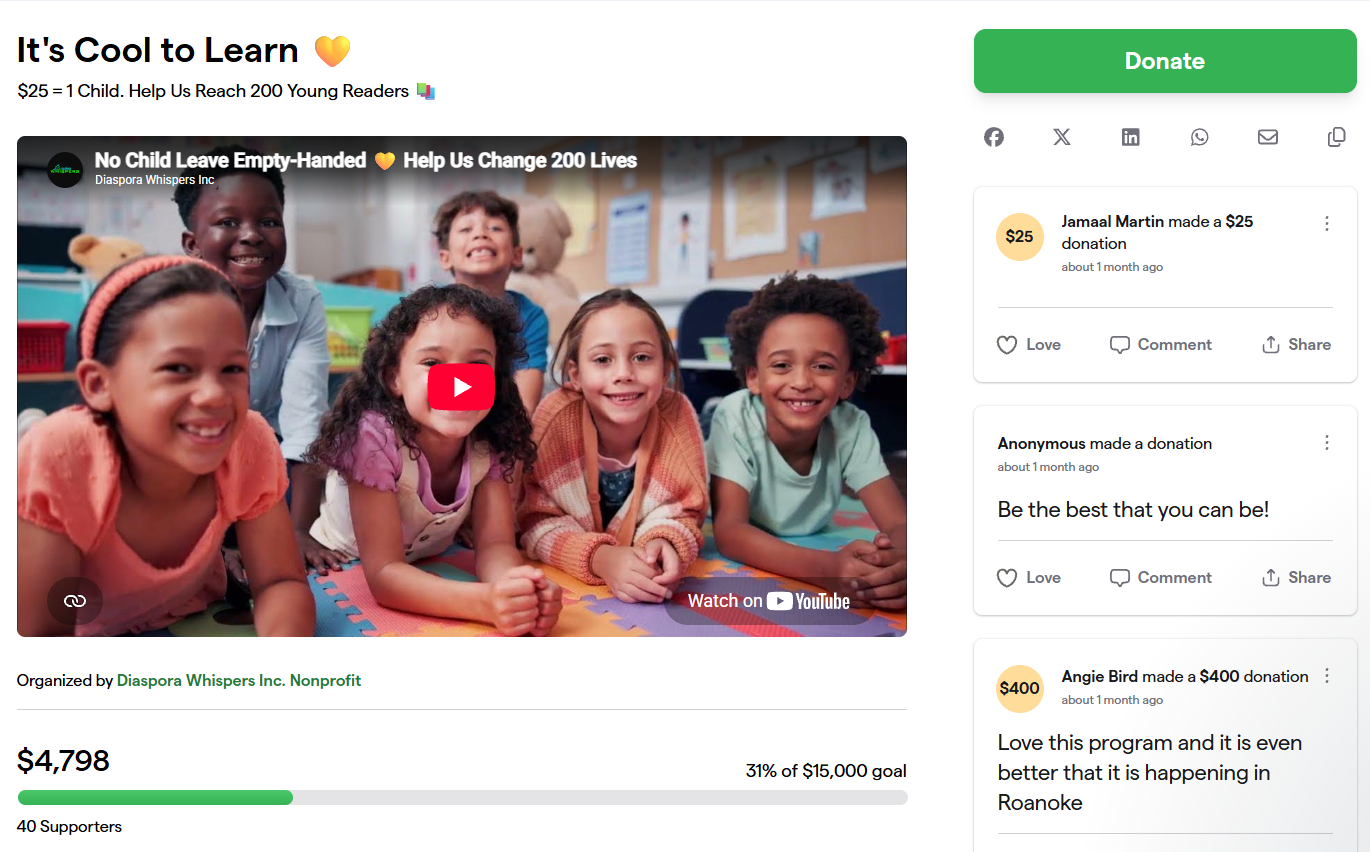
Sponsor a child's literacy kit
Four organizations have already said yes. You can meet them here. If your organization wants to join them at a larger sponsorship level, email info@diasporawhispers.com.
And if twenty-five dollars is not where you are right now, share this post with one person for whom it is. That counts too.
Continue to chase change.